Assam's handicrafts represent centuries of artistic excellence and cultural pride. From intricate silk weaving to delicate bamboo work, these crafts are more than just products—they are vessels of culture, tradition, and the soul of artisans who dedicate their lives to preserving ancient techniques.
The Rich Textile Heritage of Assam
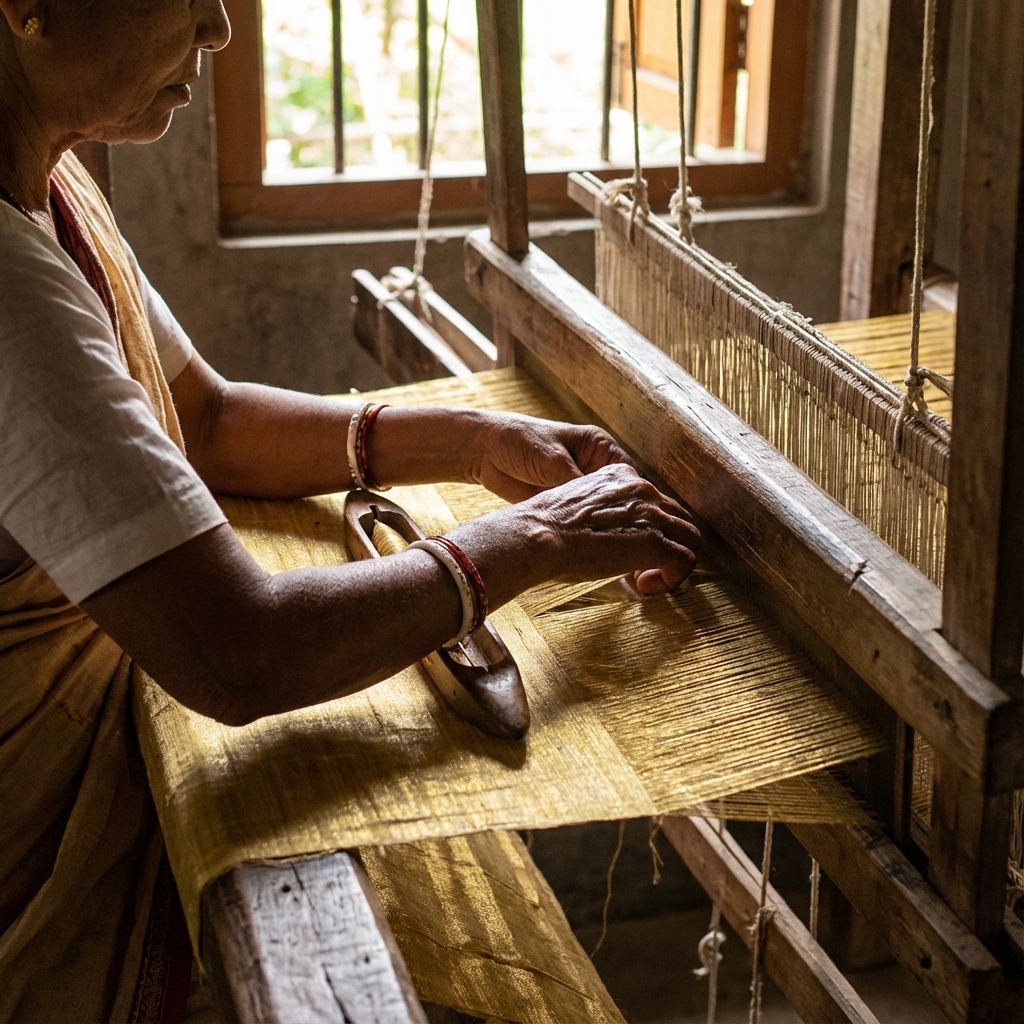
Assam is renowned worldwide for its exceptional textiles, particularly its silk. The state produces three types of silk—Muga, Pat, and Eri—each with unique characteristics and cultural significance. These silks have been woven for centuries using traditional methods that remain largely unchanged.
"Every thread woven is a story of tradition, every knot a prayer for the future."
Muga Silk: The Golden Fiber
Muga silk is unique to Assam and is known for its natural golden luster and durability. Produced exclusively in Assam, this silk has been designated as a Geographical Indication (GI) product. The production process involves raising the Antheraea assamensis silkworm, a process that has been refined over generations.
Pat Silk: Tradition in White
Pat silk is softer and finer than Muga, traditionally used for wedding garments and special occasions. The Bombyx mori silkworm is raised for Pat silk production, and the resulting fabric has a smooth, luxurious feel.
Eri Silk: The Staple Fiber
Also known as peace silk or vanya silk, Eri silk is produced from cocoons that naturally shed their silk without killing the silkworm. This eco-friendly production method makes Eri silk popular among environmentally conscious consumers.
Beyond Silk: Assam's Diverse Crafts
Bamboo and Cane Work
Bamboo crafts are integral to Assamese culture. From traditional baskets to intricate wall hangings, bamboo work showcases the resourcefulness of Assamese artisans. The lightweight, flexible nature of bamboo makes it perfect for creating both functional and decorative items.
Pottery and Clay Work
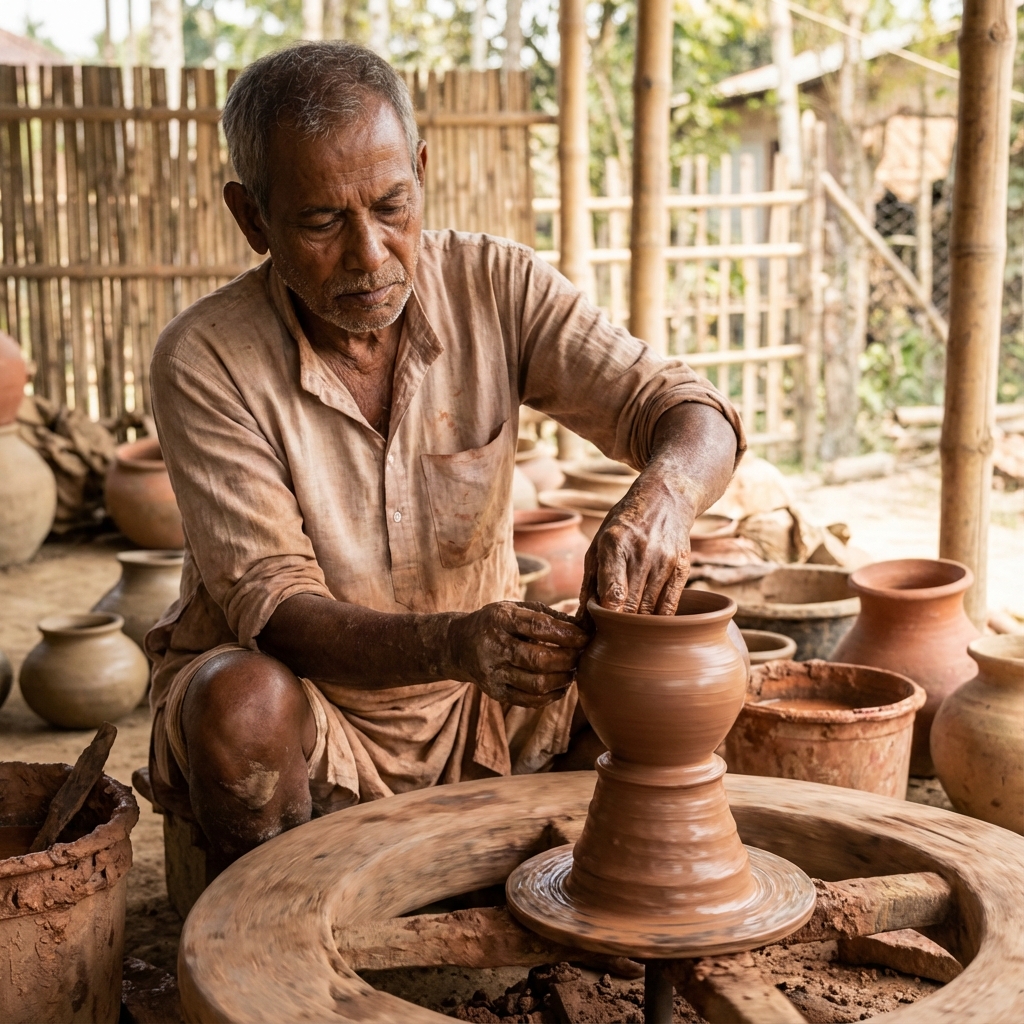
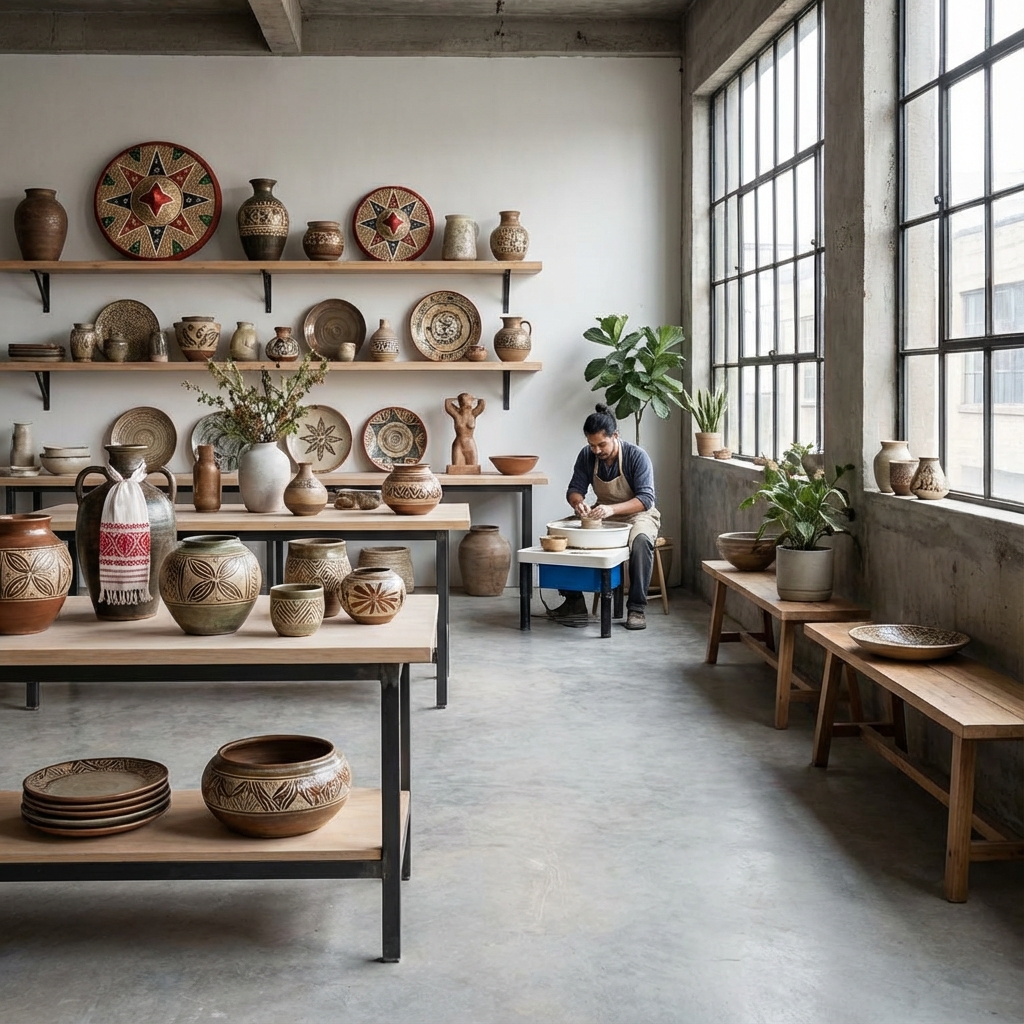
Traditional pottery in Assam reflects a deep connection with the earth. Clay vessels and decorative pieces are handmade using age-old techniques. Many villages specialize in specific types of pottery, each with its own distinctive style and patterns.
Brass and Metal Crafts
Brass work in Assam is highly regarded, with artisans creating everything from decorative items to functional household goods. Intricate designs and patterns are etched into brass pieces, reflecting the artistic sensibility of the craftspeople.
Challenges Facing Artisans
Despite their cultural significance, Assamese handicrafts face numerous challenges. Younger generations are moving away from these labor-intensive crafts in search of better economic opportunities. Mass production and cheap imports have also impacted the market for handmade items.
However, a growing movement of designers, entrepreneurs, and cultural enthusiasts is working to revive these crafts. By creating contemporary designs using traditional techniques and improving market access, they are helping artisans sustain their livelihoods while preserving cultural heritage.
Supporting Assamese Handicrafts
There are several ways to support and celebrate Assamese handicrafts:
- Purchase directly from artisans or authenticated sellers
- Visit craft villages and learn about the making process
- Support fair-trade organizations that work with artisans
- Promote handicrafts through social media and word-of-mouth
- Encourage younger generations to learn and continue these crafts
The Future of Assamese Handicrafts
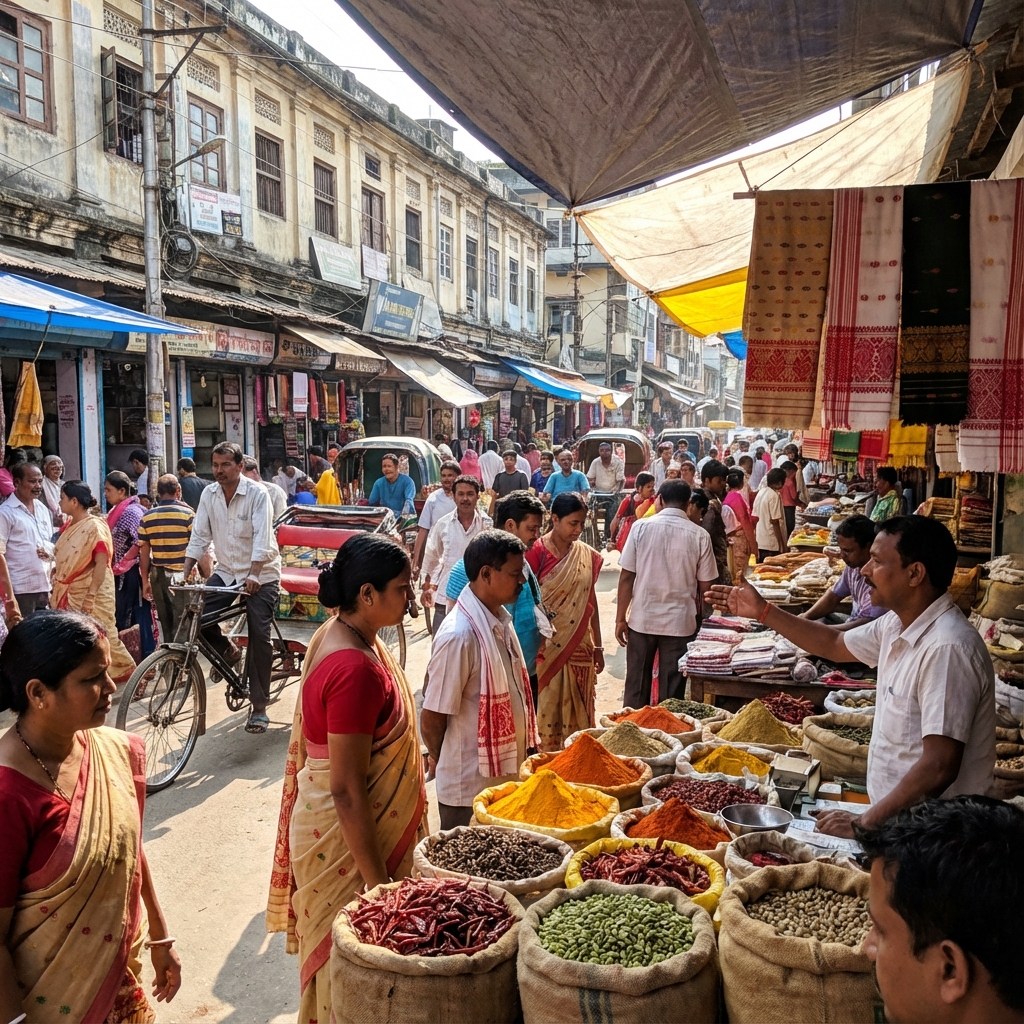
The future of Assamese handicrafts looks promising as global appreciation for handmade, traditional items grows. Online platforms have made it easier for artisans to reach customers worldwide. Contemporary designers are creating fusion pieces that appeal to modern sensibilities while respecting traditional techniques.
"When you buy a handmade craft, you're not just buying an object—you're buying the artist's lifetime of knowledge and dedication."
Conclusion: Living Traditions
Assam's handicrafts are living traditions that connect us to the past while shaping the future. Each handmade item carries the fingerprints of the artisan, the wisdom of generations, and the spirit of Assam. By appreciating and supporting these crafts, we ensure that these beautiful traditions continue to flourish for generations to come.